¿Enfermo por calor o humo en el trabajo? 5 cosas que debe documentar para una reclamación de indemnización laboral en Nueva York

La compensación laboral de Nueva York puede cubrir el agotamiento por calor, el golpe de calor y las enfermedades causadas o agravadas por el humo en el lugar de trabajo cuando el empleo causó, contribuyó o empeoró la condición.
Para respaldar su reclamo, informe la enfermedad de inmediato, busque atención médica, documente las condiciones de trabajo y presente la documentación necesaria.
PDF gratuito (no requiere correo electrónico): Descargue el Kit de Evidencia de Calor y Humo en el Lugar de Trabajo, con una lista de verificación de cinco pasos y un registro de exposición rellenable que puede guardar o imprimir.
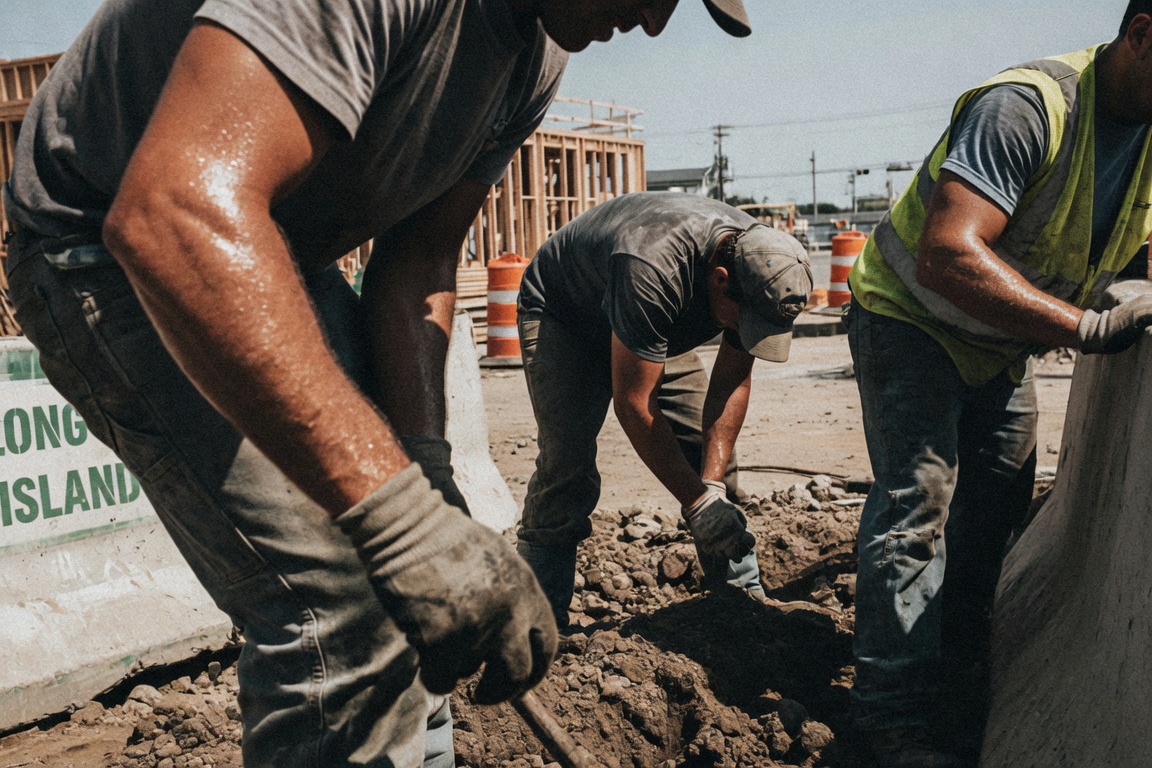
El calor extremo y el humo de los incendios forestales envían a los neoyorquinos a las salas de emergencia cada verano, pero las condiciones que causaron una enfermedad laboral pueden desaparecer rápidamente. Si el agotamiento por calor o la exposición al humo en el trabajo lo enfermaron, la evidencia que preserve ahora puede ayudar a establecer lo sucedido y respaldar su reclamo de compensación laboral en Nueva York.
Esta guía explica qué puede cubrir la compensación laboral, los cinco aspectos a documentar y los plazos de notificación y presentación que pueden afectar su reclamo.
¿Trabaja al aire libre en el condado de Nassau, el condado de Suffolk o en los cinco distritos y padece una enfermedad relacionada con el calor o el humo?
Llame al (516) 997-0997 para una revisión gratuita de su reclamo. Desde 1992, Terry Katz & Associates ha gestionado reclamos de compensación laboral y discapacidad del Seguro Social para más de 25,000 neoyorquinos.
¿Es el agotamiento por calor una lesión relacionada con el trabajo en Nueva York?
Sí. La compensación laboral de Nueva York cubre lesiones y enfermedades que surgen a raíz y en el curso del empleo, lo que incluye el agotamiento por calor, el golpe de calor, las lesiones renales relacionadas con la deshidratación y los eventos cardíacos provocados por el calor. La cobertura no depende de que su empleador haya hecho algo incorrecto. La compensación laboral es un sistema sin culpa: no tiene que probar negligencia, solo que el trabajo causó o contribuyó a su condición.
El mismo principio se aplica a una caída, un accidente con maquinaria o un accidente automovilístico que ocurre porque el calor lo mareó o lo fatigó. Si el calor contribuyó al accidente, las lesiones resultantes son parte del reclamo. Esto es importante, porque el calor no solo causa enfermedades. Provoca fallas en el agarre, la concentración y el equilibrio que conducen a accidentes laborales graves.
¿Ya recibió tratamiento médico o faltó al trabajo? Podemos revisar la exposición, su historial de informes y los registros disponibles antes de que la evidencia sea más difícil de recuperar. Solicite una revisión de reclamo por agotamiento por calor de compensación laboral o llame al (516) 997-0997.
¿Cubre la compensación laboral la exposición al humo de incendios forestales?
El humo de los incendios forestales es una preocupación de seguridad laboral relativamente nueva para muchos neoyorquinos, pero el marco de la compensación laboral está bien establecido: una afección causada o agravada por la exposición en el lugar de trabajo puede ser indemnizable cuando la evidencia médica y fáctica la vincula con el empleo.
Esto incluye problemas respiratorios derivados de trabajar al aire libre con mala calidad del aire, el agravamiento del asma o la EPOC, y eventos cardíacos provocados por el humo. Las afecciones que se desarrollan con el tiempo pueden calificar como enfermedad profesional.
El Departamento de Trabajo de Nueva York ha emitido orientación para los empleadores sobre el humo de incendios forestales y el clima extremo:
- Con un Índice de Calidad del Aire (AQI, por sus siglas en inglés) entre 150 y 299, el estado recomienda reubicar o reprogramar el trabajo, reducir su intensidad, proporcionar descansos en áreas filtradas y ofrecer respiradores aprobados por NIOSH (como los N95) para su uso voluntario.
- Con un AQI de 300 o superior, la guía exige cancelar el trabajo al aire libre o trasladarlo a espacios interiores. También se aconseja a los empleadores proporcionar 32 onzas de agua fresca por hora a cada trabajador que realice labores al aire libre.
La mayor parte de esta guía no constituye una normativa vinculante, y ni OSHA ni Nueva York han finalizado una norma general sobre el calor. La propuesta de norma federal sobre el calor de OSHA sigue en proceso de elaboración, aunque OSHA puede sancionar a los empleadores por riesgos relacionados con el calor bajo la Cláusula de Obligación General, y un Programa Nacional de Énfasis revisado sobre el calor entró en vigor en abril de 2026.
Ese vacío normativo es precisamente la razón por la que su propia documentación es tan importante: para su reclamo de compensación, el registro que usted construye suele ser la prueba más sólida de a qué estuvo expuesto.
Por qué se deniegan los reclamos por calor y humo
La mayoría de las denegaciones se deben a la falta de pruebas, no a la falta de cobertura. Las aseguradoras rara vez argumentan que las enfermedades por calor no son indemnizables; argumentan que la suya no lo es. Alegan que la enfermedad proviene de una condición de salud personal en lugar del trabajo, señalan la falta de un "accidente" visible y cuestionan si realmente estuvo expuesto, ya que una tarde a 98 grados o una columna de humo no dejan evidencia física en el lugar de trabajo.
Los datos meteorológicos ayudan, pero no son suficientes por sí solos. La temperatura en el aeropuerto no refleja el índice de calor en un techo negro, dentro de un camión de reparto o en un almacén sin ventilación. Su documentación llena ese vacío.
Si su reclamo ya ha sido rechazado, consulte qué hacer cuando se deniega una reclamación de indemnización laboral, y guarde todos los registros que tenga.
5 cosas que debe documentar tras una exposición al calor o al humo en el trabajo

1. Las condiciones en las que trabajó.
Fotografíe el lugar de trabajo, el termómetro o la temperatura del tablero del vehículo, y cualquier neblina o humo visible. Tome capturas de pantalla del índice de calor y de los niveles de calidad del aire (AQI) del día desde una aplicación meteorológica, asegurándose de que la fecha y su ubicación sean visibles. Anote si trabajó bajo el sol directo, cerca de equipos que generan calor o en un espacio interior sin ventilación.
2. El trabajo que estaba realizando.
Anote sus tareas, sus horarios, el nivel de exigencia física del trabajo y si se requería equipo de protección (que retiene el calor corporal). No es lo mismo un techador cargando tejas con un índice de calor de 100 grados que realizar la misma tarea en un escritorio. Su reclamación debe reflejar esa diferencia.
3. Las protecciones proporcionadas, o la falta de ellas.
Registre qué agua, sombra, descansos, ventilación o respiradores estaban disponibles. Si pidió un descanso o una mascarilla y se lo denegaron, anote quién se lo dijo, cuándo y delante de quién. Los nombres de los compañeros de trabajo que fueron testigos de las condiciones son algunas de las pruebas más valiosas que puede conservar.
4. Sus síntomas.
Mareos, calambres, confusión, náuseas, dolor de cabeza, taquicardia, dificultad para respirar, opresión en el pecho: anote cuándo comenzó cada uno, durante qué tarea y qué hizo al respecto. Luego, busque atención médica y dígale explícitamente al profesional de la salud que los síntomas comenzaron en el trabajo. Informar al médico que sus síntomas se originaron en el trabajo ayuda a vincular su afección con su empleo. Si su historial médico no menciona esa conexión, la aseguradora podría cuestionar la causa de la enfermedad.
5. Cuándo y cómo lo informó.
Para una lesión o enfermedad aguda relacionada con el trabajo, Nueva York generalmente exige que se notifique por escrito al empleador en un plazo de 30 días. Infórmelo lo antes posible. Un correo electrónico o un informe de incidente por escrito suele ser más sólido que depender únicamente de un mensaje de texto, según el Guía de la WCB para trabajadores lesionados. Guarde una copia que indique cuándo se envió y quién la recibió. Nuestra guía sobre qué hacer si se lesiona en el trabajo detalla los pasos para realizar el reporte.
No necesita los cinco tipos de pruebas para presentar una reclamación. Los registros médicos, los testimonios de compañeros de trabajo, los horarios laborales, los datos históricos del clima o del índice de calidad del aire (AQI) y los registros del empleador pueden ayudar a reconstruir las condiciones a posteriori.
Los plazos que rigen su reclamación
Para una lesión o enfermedad laboral aguda, generalmente se aplican dos plazos: debe notificar a su empleador por escrito lo antes posible y, por lo general, dentro de los 30 días, y presentar su reclamación ante la Junta de Compensación para Trabajadores del Estado de Nueva York dentro de los dos años.
Presentar el formulario C-3 a tiempo puede ayudar a proteger su reclamación.
Las enfermedades profesionales, como las afecciones respiratorias causadas por la exposición repetida al humo, pueden seguir reglas de plazos diferentes. La Junta generalmente describe el plazo como dos años a partir de la fecha de la incapacidad o dos años desde el momento en que supo, o debería haber sabido, que la enfermedad fue causada por su trabajo. El plazo preciso depende de los hechos de la reclamación.
Lea: ¿Cuánto tiempo tiene para presentar una reclamación de compensación laboral?
No cumplir con el plazo de notificación no siempre significa el fin de una reclamación, pero le da a la aseguradora un argumento en su contra. Si se encuentra dentro de estos plazos ahora, vale la pena completar el papeleo de manera rápida y correcta.
¿Qué beneficios de compensación laboral puede recibir?
Una reclamación exitosa cubre su atención médica y reemplaza parte de sus salarios perdidos. La cobertura médica incluye todo el tratamiento necesario relacionado con la afección (atención de emergencia, visitas de seguimiento, medicamentos y pruebas) sin copagos para usted.
Si la afección provoca una pérdida de tiempo calificada o una reducción de ingresos, los beneficios en efectivo generalmente se calculan utilizando dos tercios de su salario semanal promedio multiplicado por su grado de incapacidad, sujeto a la tasa máxima aplicable, durante el período permitido según la naturaleza y clasificación de la discapacidad.
Nuestras preguntas frecuentes sobre cuánto paga la compensación laboral en Nueva York desglosan la fórmula con ejemplos. Los efectos permanentes, como daños pulmonares duraderos, pueden calificar para una compensación adicional como discapacidad permanente no programada.
Cuando una exposición laboral se convierte en una discapacidad a largo plazo
Si una exposición laboral impide realizar un trabajo sustancial y la afección ha durado, o se espera que dure al menos 12 meses, es posible obtener beneficios por discapacidad del Seguro Social además de la compensación laboral.
Algunos trabajadores se recuperan en una semana; otros desarrollan afecciones duraderas (enfermedad reactiva de las vías respiratorias, daño cardíaco tras un golpe de calor grave, lesión renal por deshidratación repetida) que ponen fin a su carrera en trabajos al aire libre.
Ambos sistemas interactúan y las reglas de compensación pueden reducir los pagos del SSD si los beneficios de compensación no se estructuran cuidadosamente. Debido a que nuestra firma maneja tanto la compensación laboral como el SSD, coordinamos ambas reclamaciones en lugar de tratarlas como problemas separados.
Obtenga más información sobre las reclamaciones por discapacidad del Seguro Social.
¿Quiénes corren mayor riesgo de sufrir agotamiento por humo o calor en el trabajo?
Los trabajadores enfrentan un mayor riesgo cuando sus empleos combinan altas temperaturas con esfuerzo físico, luz solar directa, equipos calientes, ropa protectora, ventilación deficiente o acceso limitado a agua y descanso.
En los condados de Nassau y Suffolk y los cinco distritos, esto incluye a equipos de construcción y techadores, jardineros y trabajadores de servicios forestales, trabajadores de saneamiento y carreteras, conductores de reparto que entran y salen de vehículos calientes, empleados de almacenes en edificios sin ventilación adecuada y personal de cocina que trabaja cerca de hornos y otros equipos que generan calor.
Los datos laborales nacionales reflejan el peligro. Entre 2011 y 2020, los trabajadores de la construcción y extracción representaron casi un tercio de las muertes laborales relacionadas con el calor extremo. Los trabajadores de mantenimiento de edificios y terrenos, los trabajadores de transporte y movimiento de materiales, y los trabajadores agrícolas también estuvieron entre los grupos ocupacionales afectados.
El calor tampoco necesita alcanzar niveles récord para volverse peligroso. El Departamento de Salud de la Ciudad de Nueva York detectó un riesgo de mortalidad exacerbado por el calor en días calurosos a partir de aproximadamente 82°F, con un aumento más pronunciado del riesgo por encima de los 90°F. Debido a que los días entre 82°F y 94°F ocurren con más frecuencia que los días de calor extremo, contribuyen con un mayor número total de muertes exacerbadas por el calor que los días por encima de los 95°F.
Estos son hallazgos de mortalidad a nivel municipal (no recuentos de lesiones laborales ni reclamaciones de indemnización por accidentes de trabajo), pero demuestran por qué los trabajadores deben tomarse en serio los síntomas antes de que se declare una emergencia oficial por calor.
Los trabajadores con afecciones cardíacas, pulmonares, renales o metabólicas preexistentes pueden tener un riesgo significativamente mayor. Entre las personas incluidas en el análisis detallado de la ciudad sobre muertes por estrés térmico, el 88% padecía al menos una enfermedad crónica.
Se registraron más de 5,000 visitas a urgencias relacionadas con el calor en todo Nueva York durante la temporada de clima cálido de 2025.
El estado de Nueva York reportó 4,007 visitas fuera de la ciudad de Nueva York desde el 1 de mayo hasta el 29 de septiembre, además de 1,130 visitas dentro de la ciudad. Estas son cifras de salud pública (no recuentos exclusivos de lugares de trabajo), pero muestran la rapidez con la que las enfermedades causadas por el calor pueden volverse graves. (Fuente: Departamento de Conservación Ambiental del Estado de Nueva York)
Una condición preexistente no impide automáticamente una reclamación de indemnización laboral cuando el calor o el humo en el lugar de trabajo la agravan o aceleran, pero la conexión debe estar documentada en su historial médico.
Si su trabajo lo expone al calor o al humo, no espere a que se alcancen temperaturas récord para documentar las condiciones, reportar sus síntomas y buscar atención médica.
Adquiera los hábitos de documentación mencionados anteriormente antes de necesitarlos, y sepa dónde encontrar ayuda local en el condado de Nassau si la necesita.
Cómo Terry Katz & Associates ayuda a proteger a los trabajadores
El agotamiento por calor y las lesiones por inhalación de humo en el trabajo pueden derivar en problemas de salud graves. Terry Katz & Associates puede revisar sus condiciones laborales, su historial médico, el cronograma de notificación y el estado de su reclamación, incluidas aquellas que la aseguradora ya haya disputado.
Recopilamos los registros meteorológicos y de calidad del aire, obtenemos declaraciones de testigos mientras los recuerdos están frescos, trabajamos con sus médicos tratantes para documentar la causalidad, presentamos su formulario C-3 de manera correcta y oportuna, y lo representamos en las audiencias de la Junta de Compensación para Trabajadores.
Trabajamos bajo una base de honorarios condicionales para las reclamaciones de indemnización laboral. Los honorarios de los abogados son fijados y aprobados por la Junta de Compensación para Trabajadores y se descuentan de su indemnización, no de su bolsillo.
Si usted está lidiando con una enfermedad relacionada con el calor o el humo, podemos ayudarle a comprender sus derechos y a solicitar los beneficios de indemnización laboral disponibles bajo la ley de Nueva York.
Llame al (516) 997-0997 o solicite una revisión gratuita de su reclamo hoy mismo.
Preguntas frecuentes: Cómo entender los beneficios de compensación laboral por enfermedades relacionadas con el calor e inhalación de humo
¿Se puede obtener compensación laboral por agotamiento por calor en Nueva York?
Sí. El agotamiento por calor, el golpe de calor y las afecciones relacionadas causadas por su trabajo pueden calificar para la compensación laboral de Nueva York. En caso de una enfermedad o lesión aguda, notifique a su empleador por escrito lo antes posible (dentro de los 30 días) y presente el Formulario C-3 ante la Junta de Compensación Laboral (Workers’ Compensation Board) en un plazo de dos años. Los reclamos por enfermedades profesionales pueden seguir reglas de plazos diferentes.
¿Es ilegal que mi empleador me obligue a trabajar con calor extremo?
Actualmente, Nueva York no cuenta con una temperatura máxima de trabajo de aplicación general para todos los empleadores privados, y la norma federal de calor de OSHA sigue siendo una propuesta y no una normativa definitiva. No obstante, los empleadores deben abordar los riesgos de calor reconocidos bajo los requisitos de seguridad laboral existentes, y el Programa Nacional de Énfasis revisado de OSHA sobre el calor respalda su cumplimiento.
En la ciudad de Nueva York, una orden ejecutiva de junio de 2026 orden ejecutiva también instruye a las agencias municipales a implementar y fortalecer las protecciones contra el calor para los empleados de la ciudad, contratistas y ciertos lugares de trabajo. Independientemente de si su empleador infringió una norma, usted puede calificar para la compensación laboral si el calor lo enfermó. La compensación no requiere demostrar que su empleador hizo algo ilegal.
¿Qué sucede si tenía una condición de salud que me hacía más vulnerable al calor o al humo?
Una condición preexistente no invalida su reclamo. Bajo la ley de Nueva York, el trabajo que agrava o acelera una condición subyacente, como el asma empeorada por el humo o una afección cardíaca tensionada por el calor, puede ser compensable. Las aseguradoras suelen utilizar las condiciones preexistentes para disputar los reclamos, y es ahí donde la documentación médica y la asistencia legal son fundamentales.
¿Pueden despedirme por presentar un reclamo de compensación laboral?
La ley de Nueva York prohíbe a los empleadores despedirle o discriminarle por presentar una reclamación de indemnización laboral. Si esto sucede, puede presentar una queja por discriminación ante la Junta de Indemnización Laboral (Workers' Compensation Board), además de su reclamación por indemnización.
¿Qué pasa si mi reclamación por agotamiento por calor o humo ya fue denegada?
Una denegación no es el final. Las reclamaciones en disputa pasan ante un juez de derecho de indemnización laboral, y se pueden presentar pruebas sobre sus condiciones de trabajo, la causalidad médica y la notificación oportuna para la audiencia. Traiga toda la documentación que tenga. Incluso los registros parciales son de ayuda.

Recomiendo encarecidamente el bufete de abogados Terry Katz a cualquiera que esté buscando una representación legal.
Después de una lesión en el trabajo, un compañero de trabajo me recomendó a Jesse. Al tener poca o ninguna experiencia trabajando con abogados, me impresionó bastante el grado de profesionalismo que mostraron Jesse y su equipo. Jesse y Donna eran profesionales muy bien informados que estuvieron disponibles para responder a todas mis preguntas e inquietudes, incluso mientras se ocupaban de otros casos. No solo fueron profesionales sino también compasivos.
Quedé muy satisfecha con el premio que recibí, que no se acercó a lo que esperaba. ¡Esta firma definitivamente obtiene resultados! Recomiendo ENCARECIDAMENTE a Jesse y su firma a todos mis amigos y familiares.